Room Organization Ideas That Actually Work

Organizing a room is one thing. Keeping it organized is the hard part.
You can spend an entire weekend sorting, decluttering, buying containers, and putting everything in its place, only to watch the clutter slowly come back.
Usually, the problem isn’t that you need more storage. It’s that the room doesn’t have simple places for the things you actually use.
The best room organization ideas make everyday life easier. Things are stored close to where you use them, frequently used items are easy to reach, and putting something away doesn’t require five extra steps.
Below, you’ll find practical organization ideas for the bedroom, bathroom, kitchen, living room, and home office, plus a simple process you can use to organize almost any room in your home.
Start With These Organization Rules for Any Room
Before buying bins or rearranging furniture, look at how you actually use the room. A good organization system should work with your habits instead of forcing you to create entirely new ones.
Give Everything a Home
One of the simplest ways to keep a room organized is to decide exactly where things belong.
If paperwork always lands on the kitchen counter, create a place for incoming papers nearby. If shoes pile up beside the door, that’s probably where your shoe storage belongs.
Pay attention to where clutter naturally collects. Those problem areas can tell you where your home needs a better system.
Store Things Where You Use Them
You don’t have to store something where you’re “supposed” to store it. Create zones based on what happens in each room.
In the kitchen, that might mean separate areas for food prep, cooking, baking, and making coffee. In a bedroom, you might have areas for sleeping, getting dressed, reading, and charging electronics.
The fewer steps it takes to get something out and put it away, the easier the system will be to maintain.
Use Vertical Space
When you’re short on storage, look up.
Hooks behind doors, wall-mounted shelves, over-the-door organizers, shelf risers, and tall shelving can add storage without taking up additional floor space.
This is especially useful in small bedrooms, bathrooms, kitchens, and entryways.
RELATED: 10 Best Ways to Maximize Your Home’s Vertical Space
Don’t Buy Organizers First
Storage containers can organize what you need, but they can also make it easier to keep things you don’t.
Declutter first. Then decide where the remaining items should live.
Buy an organizer only when you know exactly what problem it’s going to solve.
Bedroom Organization Ideas
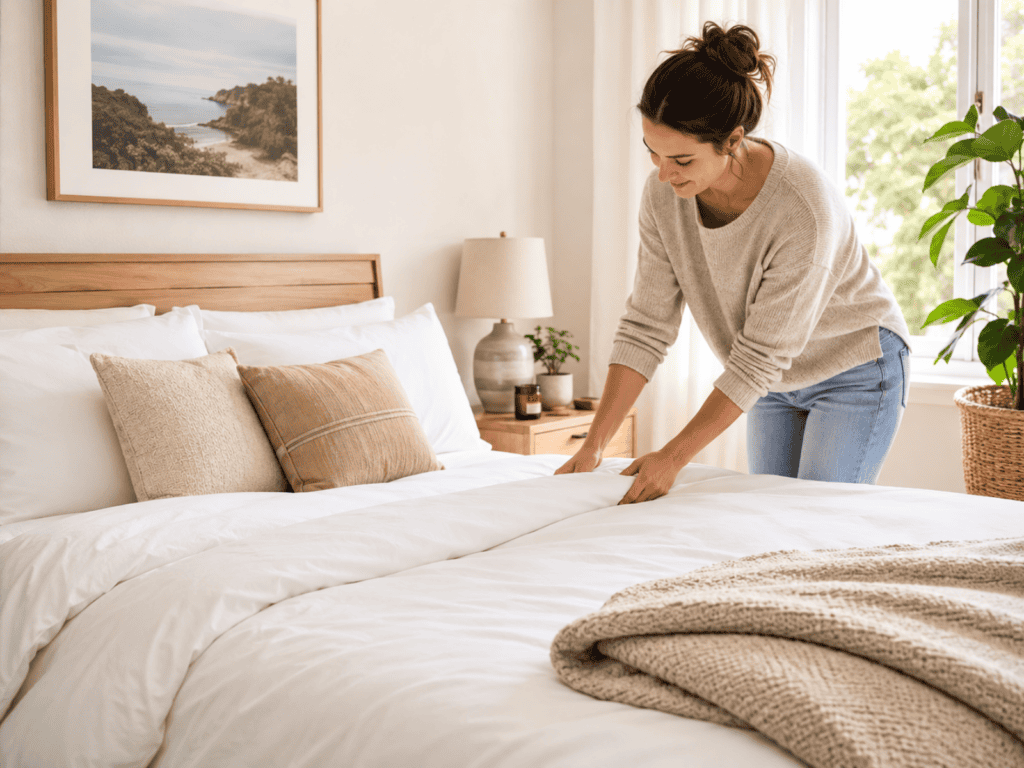
Your bedroom should be one of the easiest rooms in the house to reset. Focus first on the areas where clutter tends to collect: the closet, dresser, nightstand, and floor.
Organize Clothes by How You Get Dressed
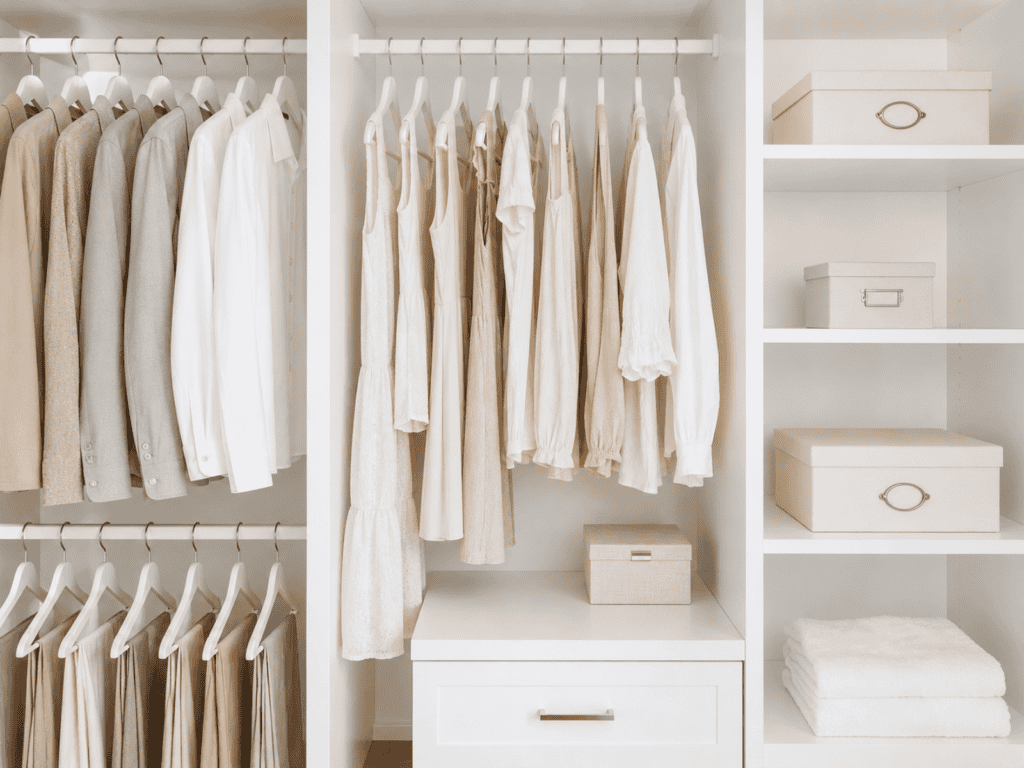
Instead of creating an elaborate closet system, group clothes in a way that makes sense to you.
You might keep work clothes together, casual clothes together, and special-occasion clothing in a less accessible area.
Use drawer dividers to separate smaller items such as socks and underwear, and avoid stuffing drawers so full that putting clothes away becomes a chore.
If your closet is small, a second hanging rod can create more usable space for shorter clothing.
Keep the Nightstand Simple
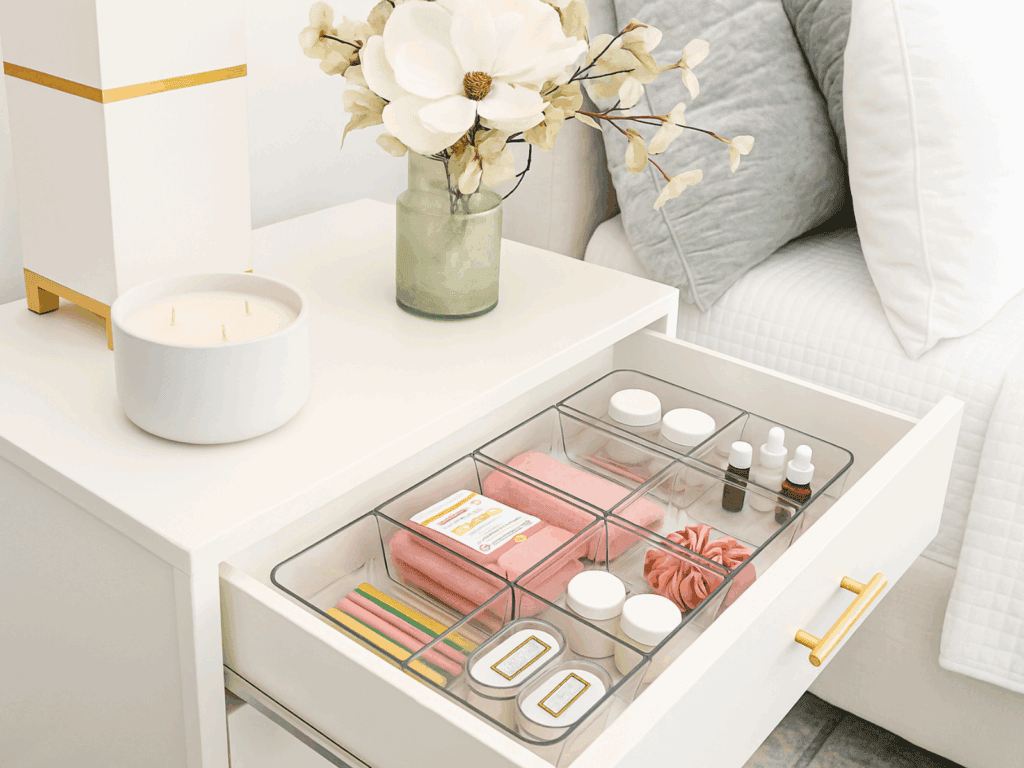
Your nightstand doesn’t need to hold everything you might possibly need in bed.
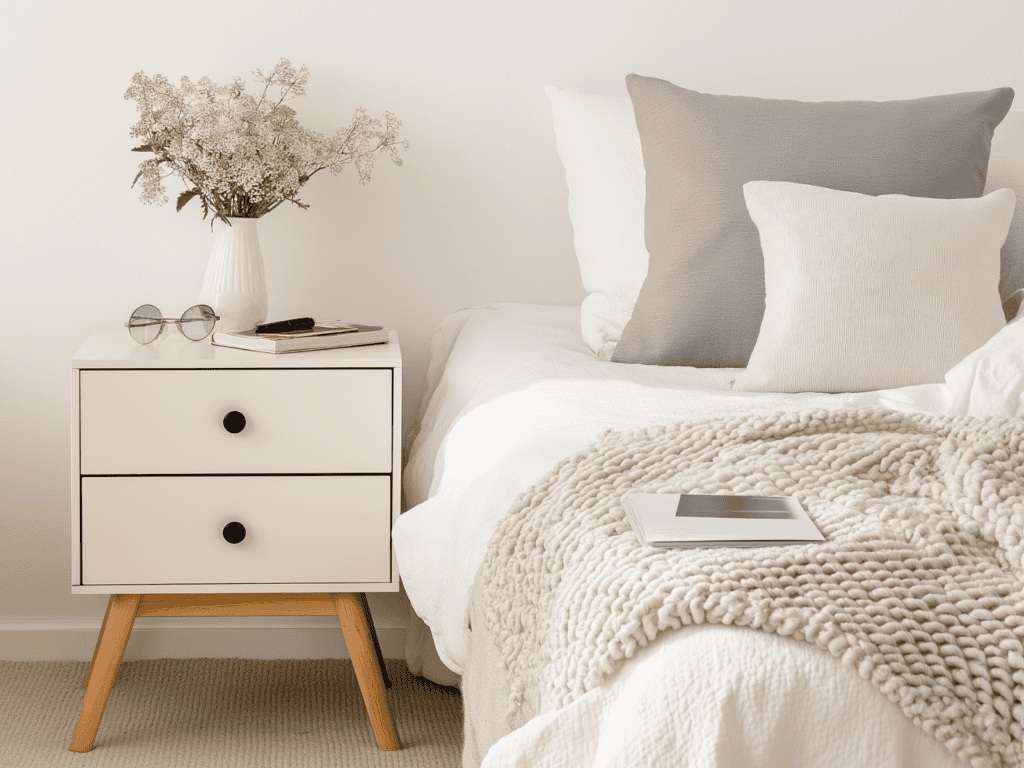
Keep the things you regularly use—such as reading glasses, lip balm, a book, or hand cream—within reach. Store everything else in the drawer or somewhere nearby.
A small tray can keep loose items from spreading across the surface. If charging cords constantly fall behind the nightstand, adhesive cord clips can keep them where you need them.
Use Under-Bed Storage Carefully
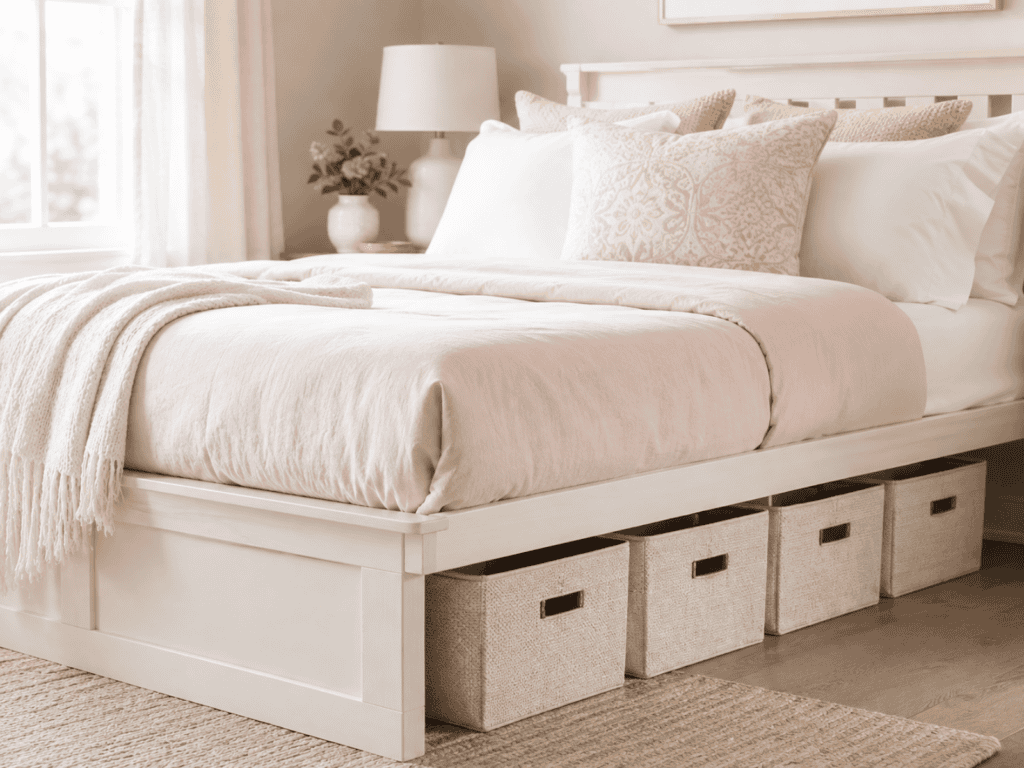
Under the bed can be valuable storage space, especially in a small bedroom, but don’t turn it into a place for things you’ve forgotten you own.
Use it for specific categories such as off-season clothing, extra bedding, or shoes.
Choose containers that slide out easily and label the side facing outward so you don’t have to open every box to find something.
RELATED: How to Organize a Bedroom in 10 Easy Steps (and Keep It That Way!)
Bathroom Organization Ideas
Bathrooms tend to accumulate lots of small items in a very small space. The easiest solution is to reduce what’s sitting out and give similar items a place together.
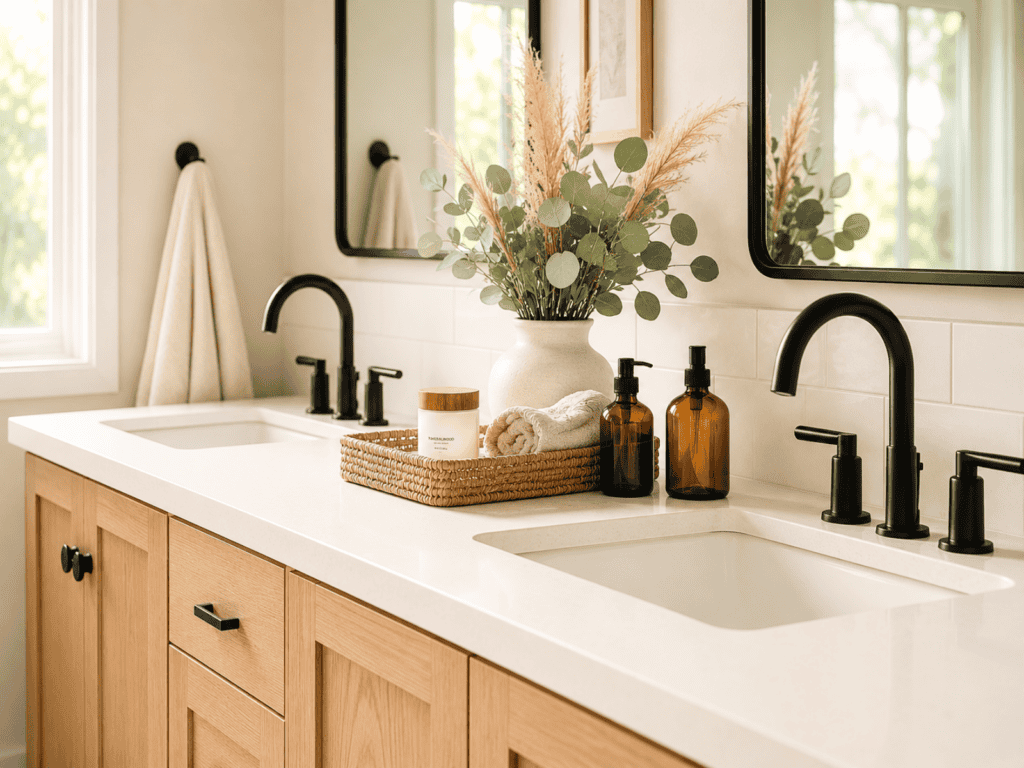
Clear the Counter
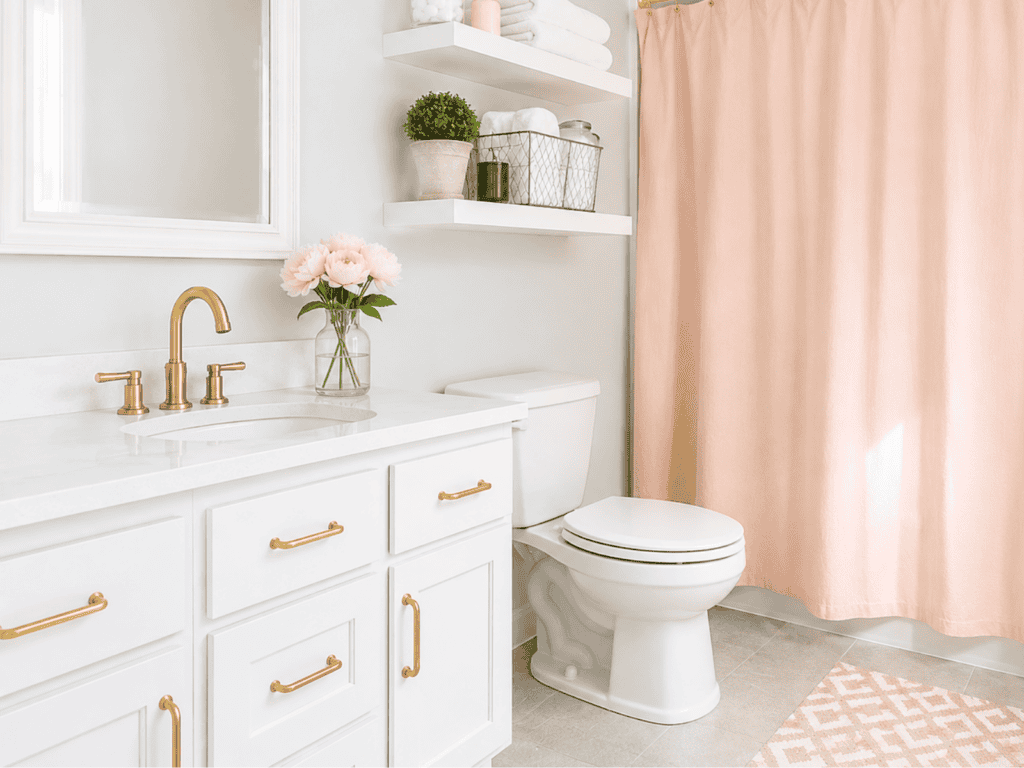
Start by removing anything you don’t use regularly. Keep daily necessities accessible and put occasional products in a drawer or cabinet.
If you like keeping several products on the counter, corral them on a small tray. When it’s time to clean, you can lift one tray instead of moving six individual bottles.
Make Better Use of the Space Under the Sink
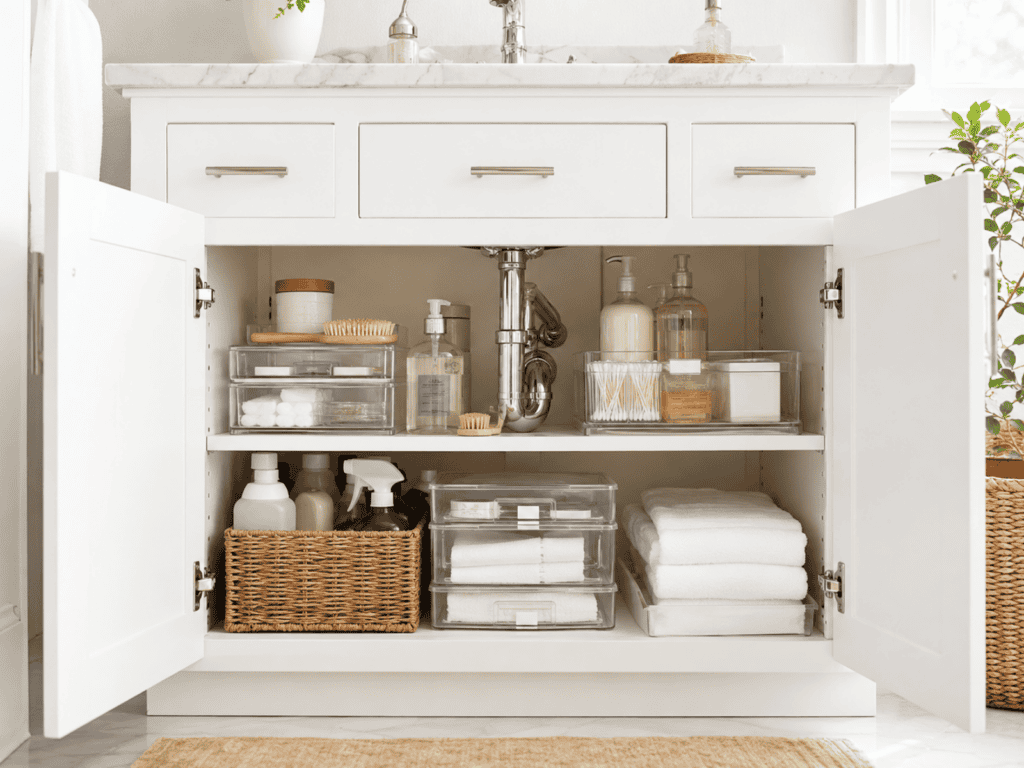
Under-sink cabinets can quickly become a pile of cleaning products, toiletries, and backups.
Group similar items in separate bins or drawers. You might have one for hair products, another for extra toiletries, one for cleaning supplies, and another for backups.
Stackable drawers can help you use the vertical space around plumbing.
The inside of cabinet doors is useful too. Small hooks or organizers can hold brushes, hair tools, or other lightweight items.
RELATED: How I Organized Under My Bathroom Sink in 5 Easy Steps
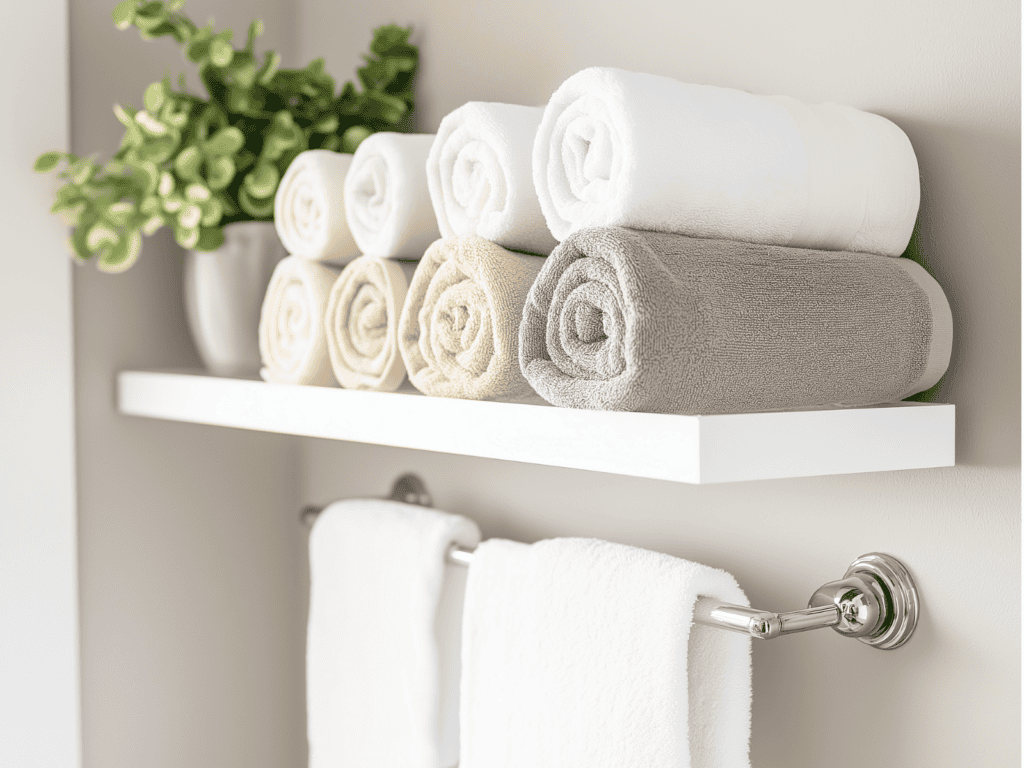
Don’t Store More Towels Than You Need
Keep enough towels for your household and laundry routine rather than following an arbitrary number.
If you’re struggling to fit towels into your linen closet, the first question shouldn’t be, How can I organize these better? Ask: How many of these do we actually use?
Reducing the number may solve the storage problem without buying anything.
For even more ideas, see my 22 Budget-Friendly Bathroom Organization Ideas.
Kitchen Organization Ideas
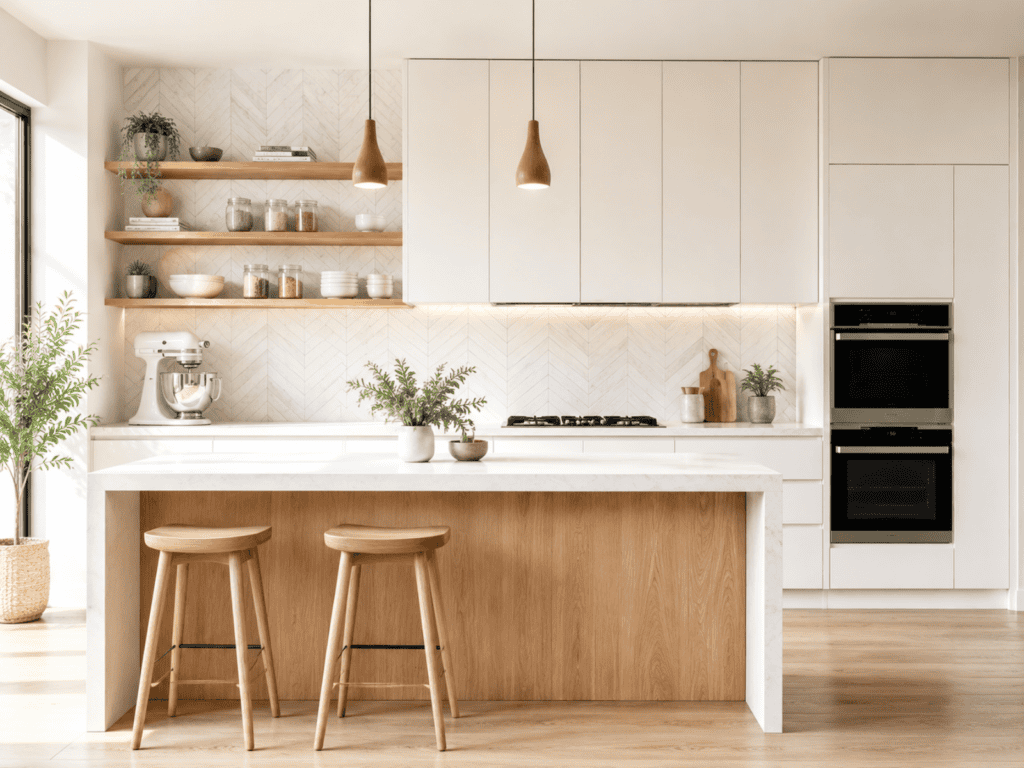
A well-organized kitchen isn’t necessarily one with perfectly matching containers.
It’s a kitchen where you can find what you need, prepare food without constantly moving things, and put everything away without much effort.
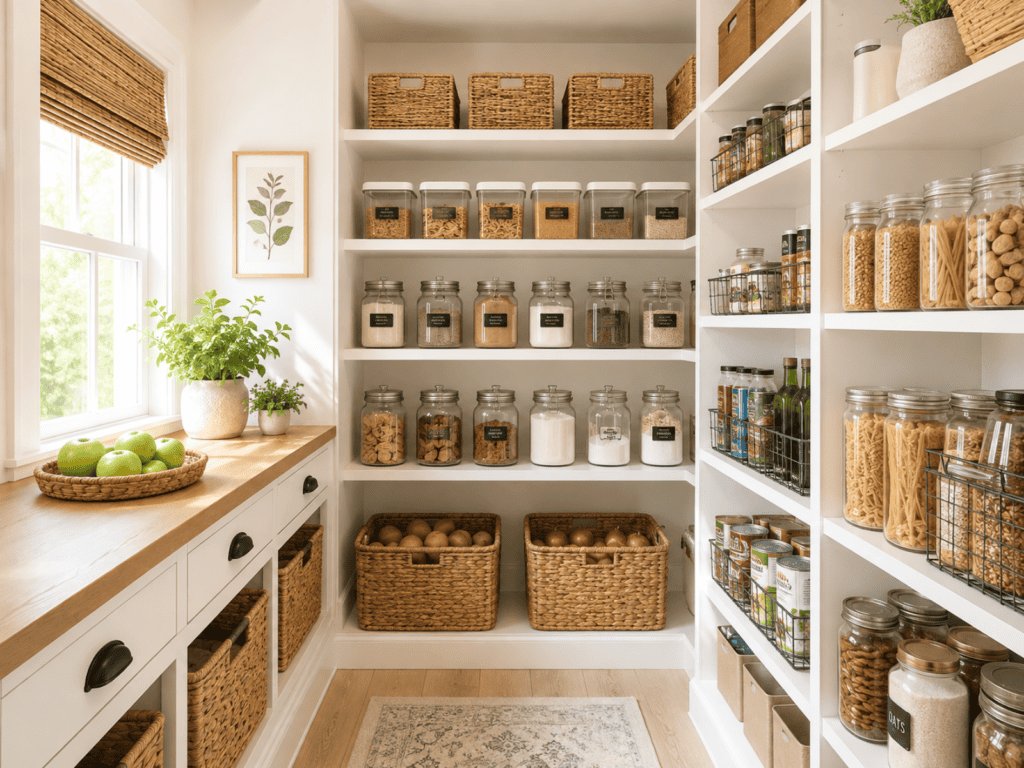
Create Pantry Zones
Group similar foods together.
Useful pantry categories might include:
- Baking
- Breakfast
- Snacks
- Pasta and grains
- Canned foods
- Meal ingredients
Keep older food toward the front and newer purchases behind it so you’re more likely to use what you already have.
Shelf risers can help with canned foods, while bins are useful for packages that tend to fall over or disappear behind other items.
Labels can also make it obvious where pantry staples belong. If you’d like to label your own containers, you can download my Free Printable Pantry Labels.
Organize Cabinets Around How You Cook
Store frequently used items where they’re easiest to reach.
Keep pots near the stove if that’s where you use them. Put food-storage containers near the area where you pack leftovers. Keep coffee supplies near the coffee maker.
Deep cabinets are easier to manage with pull-out bins, turntables, or drawers that allow you to reach what’s in the back.
RELATED: 40 Clever Kitchen Cabinet Organization Ideas to Maximize Space
Protect Your Counter Space
Counters tend to become default storage because they’re convenient. Keep appliances you use frequently accessible, but consider storing occasional-use appliances elsewhere.
A tray near the stove can contain oils or frequently used seasonings without letting them spread across the counter.
The goal isn’t an empty kitchen counter. It’s a counter with enough open space to comfortably use your kitchen.
Living Room Organization Ideas
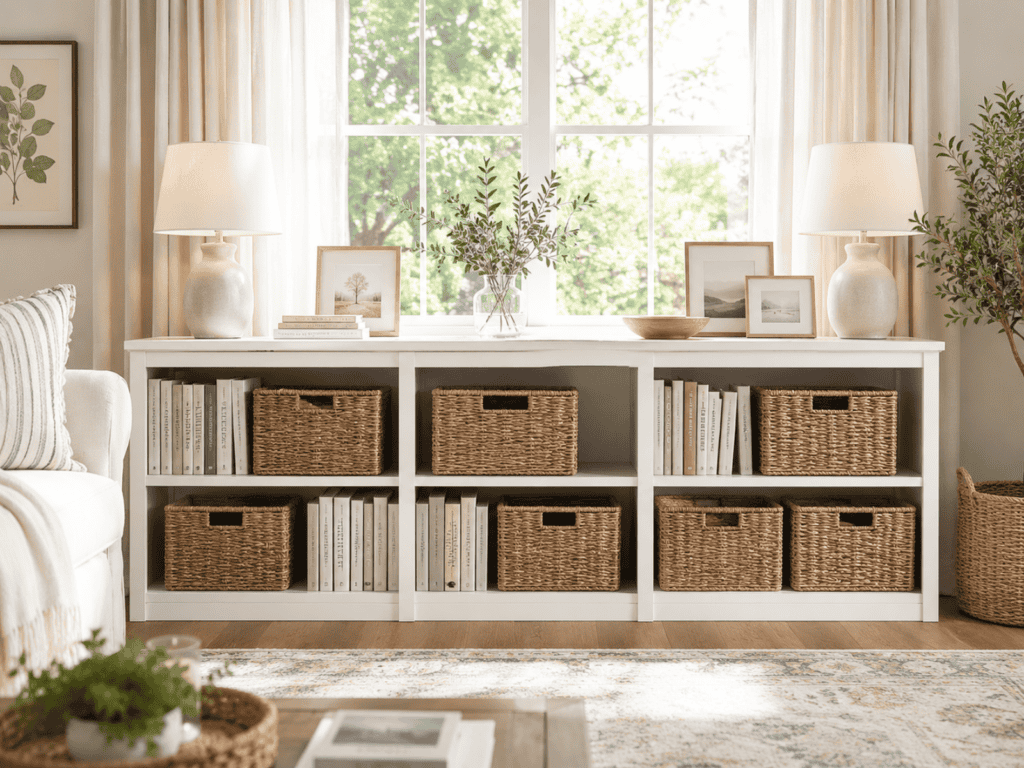
Living rooms have to handle a lot: relaxing, television, hobbies, games, blankets, books, toys, and sometimes work. That makes easy-to-access storage especially important.
Control Cords and Electronics
Bundle cords together and label them if you have several devices.
Give remotes one designated home—a basket, drawer, or section of the coffee table—so you aren’t constantly searching the couch cushions.
Choose Storage That Does More Than One Job
A storage ottoman can hold blankets while providing seating or a place to put your feet. Side tables with drawers can hide chargers, reading material, and other frequently used items.
Baskets can work well for hobbies because you can pull out the entire basket when you need it and put everything back when you’re finished.
Make Cleanup Easy for Kids
If children use the room, make their storage simple enough for them to use. Open bins placed within reach are often easier than complicated organizing systems.
Instead of creating a dozen tiny categories, use broad ones such as blocks, cars, art supplies, and stuffed animals.
Picture labels can help younger children know where things belong.
If the room contains more toys than you have space for, consider rotating some of them rather than trying to organize everything at once.
Home Office Organization Ideas
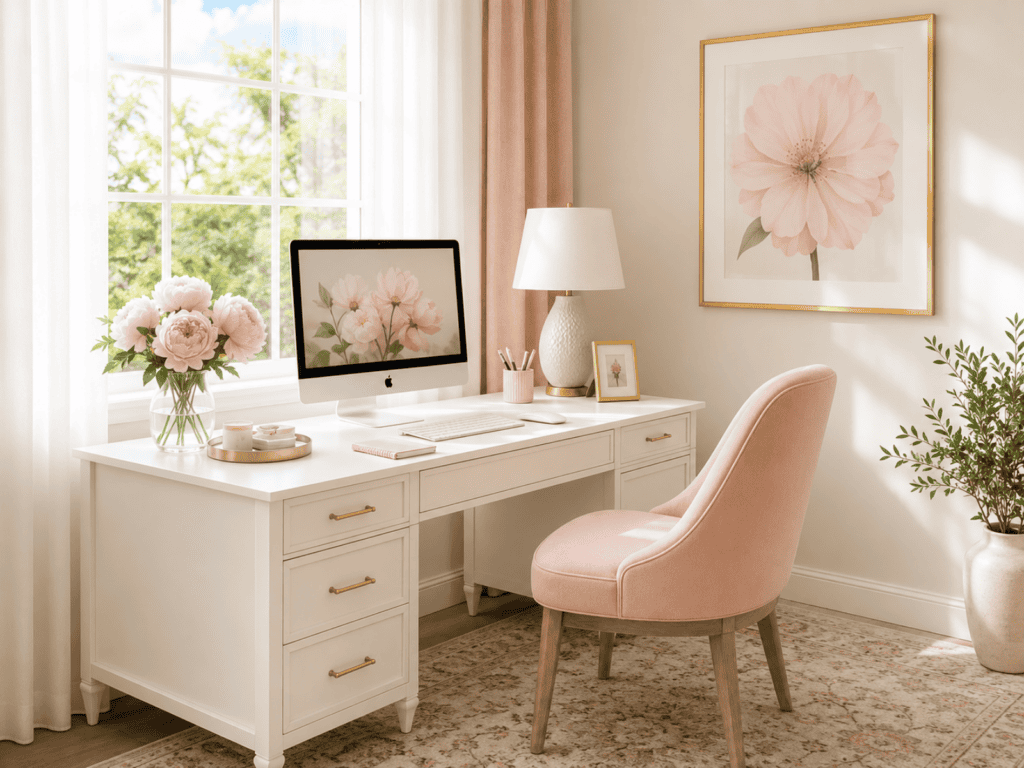
Your home office needs to make it easy to handle two things: paper and supplies.
Create a Simple Paper System
Instead of letting paperwork pile up on your desk, give incoming papers a temporary home.
You might use three categories:
- Needs action
- Needs filing
- Needs shredding or recycling
The important part is dealing with those papers regularly so the organizer doesn’t simply become another pile.
If paperwork is one of your biggest trouble spots, my Beginner’s Guide to Organizing Important Documents at Home walks you through creating a more complete system.
Keep Your Desk for Things You Actually Use
Keep everyday supplies within reach.
Things you use weekly can go in a drawer or nearby cabinet, while rarely used supplies can be stored farther away.
Drawer dividers are useful for small office supplies because they prevent pens, clips, sticky notes, and chargers from becoming one large junk drawer.
How to Keep Every Room Organized
You don’t need to spend an hour every night resetting your house. Small routines are easier to maintain.
Daily
Spend about 5–10 minutes returning things to their homes. Clear the surfaces that tend to collect clutter and deal with anything you’ve left sitting out.
Weekly
Look for places where your organization systems are beginning to break down. If the same pile keeps returning, don’t just clean it up. Ask why it’s happening.
You may need to move the storage closer, simplify the system, or get rid of more stuff.
Monthly
Choose one problem area and give it a quick reset. You don’t have to reorganize the entire house. Fix the systems that aren’t working and leave the ones that are alone.
Organization Products That Are Actually Useful
You don’t need a house full of matching containers to be organized. A few versatile products can solve a lot of common storage problems:
- Drawer dividers
- Hooks
- Clear bins
- Shelf risers
- Turntables
- Over-the-door organizers
- Tension rods
- Pull-out cabinet organizers
- Storage ottomans
Before buying any of them, ask: What exactly am I trying to organize with this? If you don’t have an answer, don’t buy it yet.
Room-by-Room Organization Checklist
When you’re ready to organize a room, use the same basic process regardless of which room you’re working on.
1. Remove obvious clutter
Throw away trash, remove things that belong somewhere else, and set aside anything you’re ready to donate.
2. Group similar things together
Seeing everything in one category makes it much easier to determine how much you own and how much storage you actually need.
3. Decide what belongs in the room
Just because something has always been stored there doesn’t mean that’s the best place for it.
4. Give everything a home
Put frequently used items in the easiest-to-reach locations. Less frequently used items can go higher, lower, or farther away.
5. Add storage only where it’s needed
Now—and not before—is the time to determine whether a bin, shelf, hook, divider, or other organizer would make the space work better.
6. Make It Easy to Put Things Away
This may be the most important step. If your system requires too much effort, you probably won’t maintain it.
Want a Printable Checklist?
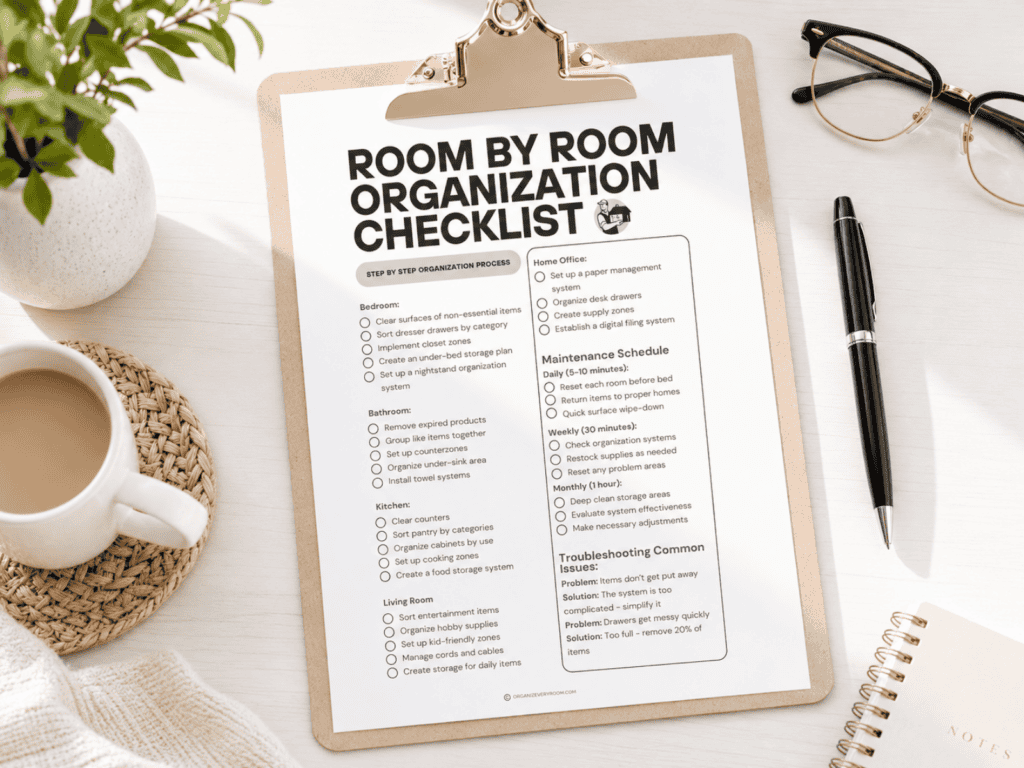
Want a checklist you can use as you work through your home? My free Room-by-Room Organization Checklist walks you through each space so you don’t have to remember everything yourself.
When a Room Won’t Stay Organized
If you keep organizing the same space over and over, don’t assume you need to start over. Look at what’s happening.
Things don’t get put away: The storage may be too far from where you use the items or too complicated to access.
Drawers constantly overflow: You may have more than comfortably fits in the space.
Counters immediately fill back up: The items landing there probably need convenient homes nearby.
Other people don’t follow the system: Simplify it. A system everyone actually uses is better than a perfectly organized system nobody maintains.
The goal isn’t to create rooms that look untouched. It’s to create a home that’s easy to live in and easy to put back together.