How to Declutter Sentimental Items Without Rushing Your Decision

For years, I kept a big dolphin necklace and a bright yellow purse that my nephew gave me when he was a small child on a family trip to Disney World.
I wore them on the trip, but never wore the necklace or carried the purse afterward. Instead, they spent years moving from one box to another. I wasn’t using them, but I kept packing them.
Eventually, I chose to display a few photos from that trip, including one of me wearing the necklace and carrying the purse. I donated both gifts along with some other possessions.
The gifts are still there in the pictures, along with the memory of that trip. They just don’t need space in my closet anymore.
Decluttering sentimental items often comes down to figuring out what you want to hold on to. Sometimes it’s the object itself. Sometimes you find another way to enjoy the memory, or someone who would love to have the item.
Where to Start With Sentimental Clutter
A closet full of keepsakes can be overwhelming before you’ve made a single decision. You pull out a souvenir, find a stack of letters underneath it, and suddenly you’re thinking about three different decades. It’s a lot to ask of an afternoon.
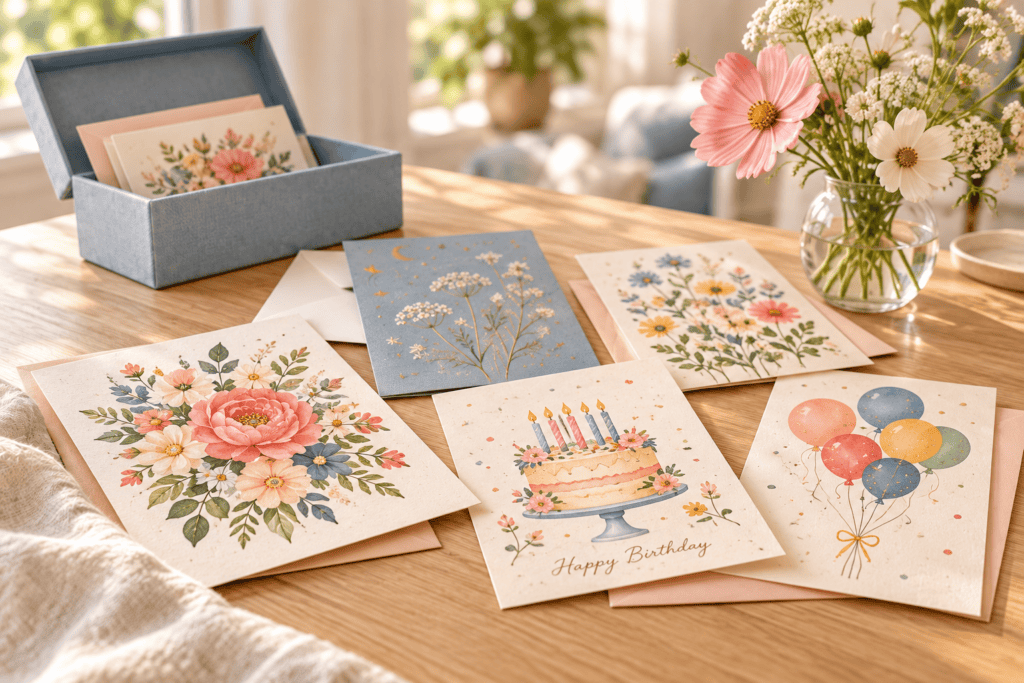
Choose a small group you feel able to consider today: souvenirs from one trip, cards from one birthday, or a few things from a hobby you’ve moved on from. The belongings tied to your hardest loss can wait.
Within that group, look for the things you already know you want. Among a stack of birthday cards, it might be the one with a message that still makes you laugh. Once you’ve set it aside to keep, the others may be easier to consider individually. Some will matter; some may have stayed simply because they were in the same stack.
Finish with that group before opening another box. Put away what you’re keeping and set aside anything you’ve decided to donate or recycle. The rest of the closet can wait until you’ve finished this small part.
When Letting Go Feels Like Letting Someone Down
With inherited belongings, the question can be harder: “She loved this. How could I possibly give it away?”
Perhaps it’s a collection your mother spent years building, or a cabinet your grandmother proudly displayed. You wouldn’t choose it for your own home, but selling it feels unkind. Even after someone has died, you may still worry that letting go of their belongings would disappoint them.
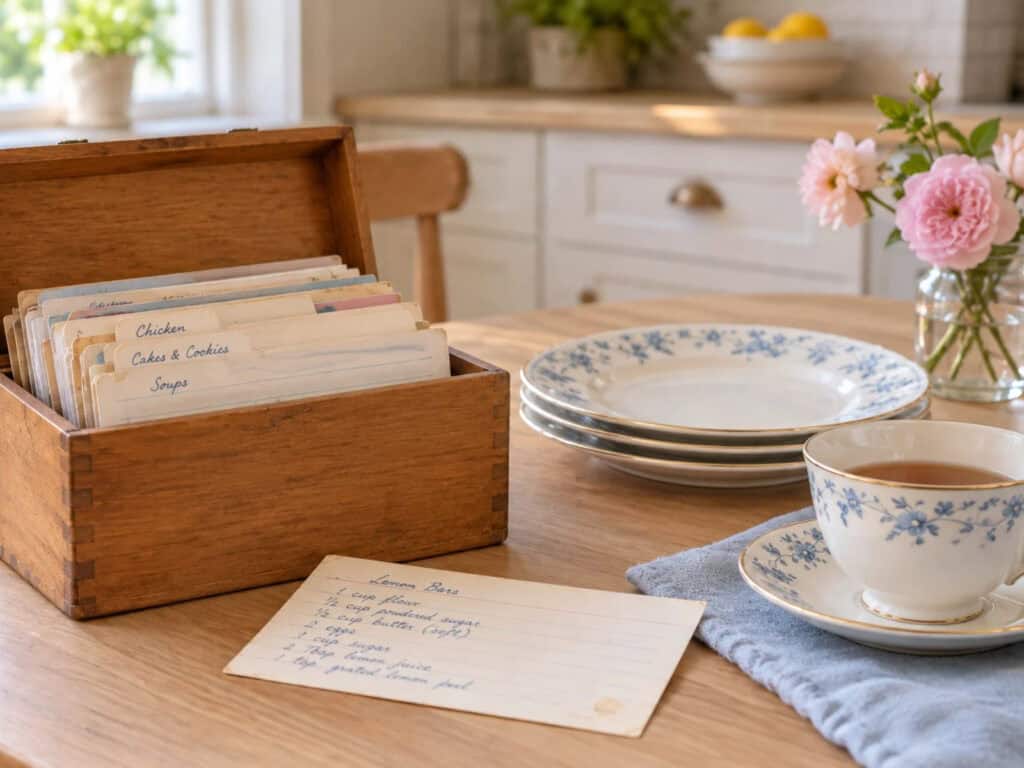
It may help to separate two things: what they treasured, and what you treasure about them. Imagine inheriting a set of formal dishes from someone you remember most vividly standing at the stove, feeding everyone who walked through the door. You might feel more connected to her handwritten recipes than to the dishes she rarely used. Someone else might love setting the table with that same set. Neither choice measures how much either of you loved her.
You don’t have to guess what your loved one would say. Consider what keeping the item means to you now. Does it bring back memories you enjoy revisiting, or do you mainly feel responsible for it because it mattered so much to them?
The answer may not make the guilt disappear. But it can help you see whether you want to keep the item or feel obliged to. You can take time with that distinction. Something can have been important in your loved one’s home without becoming a permanent part of yours.
Family Heirlooms Can Stay in the Family—Without Staying in Your Home
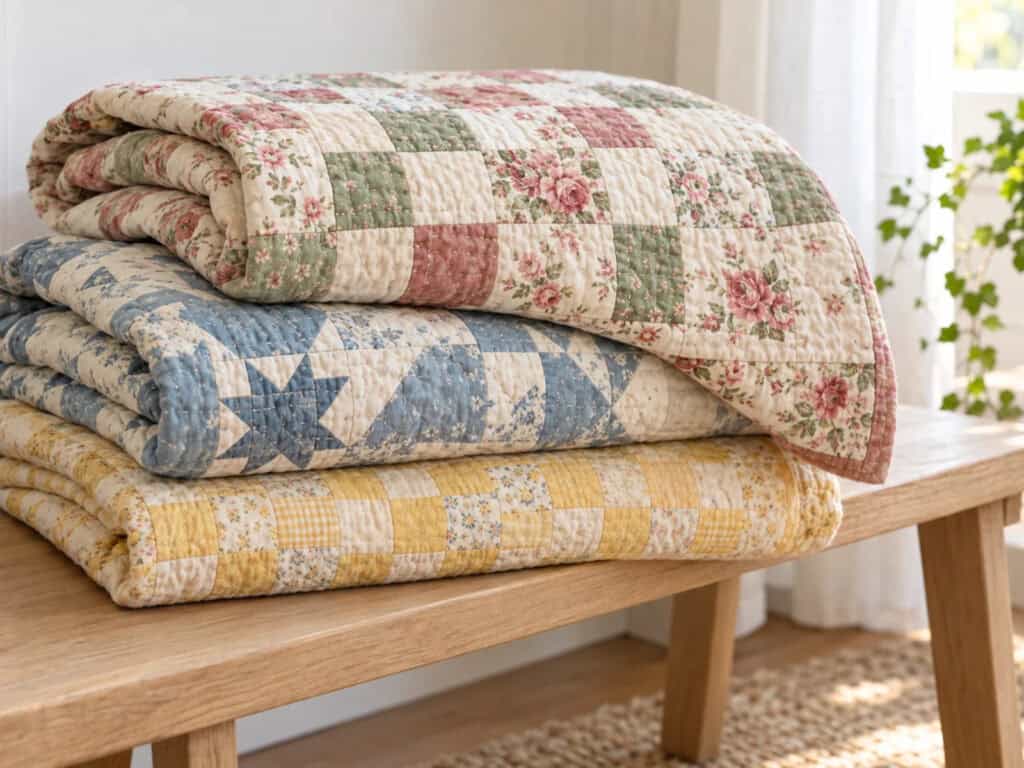
I also gave my sister some quilts that had been in our family for years. They took up a lot of space in my home, and she was thrilled to get them.
The quilts stayed in the family, my sister was happy to have them, and I gained space.
Being the person who currently owns an heirloom doesn’t have to mean storing it forever. Someone else in the family may welcome the chance to have it.
A simple offer leaves room for an honest answer: “I’m making room and wondered whether you’d like these. It’s fine if you don’t.”
Of course, not every offer gets the response my quilts did. Your relatives may care about an item’s history and still have nowhere to put it. If nobody wants an item you own, you can consider selling or donating it.
For shared belongings, have the conversation before making the decision. If you need a donation destination, these places to donate unwanted belongings are a starting point; check what they accept before loading the car.
When a Photo Is Enough to Keep the Memory
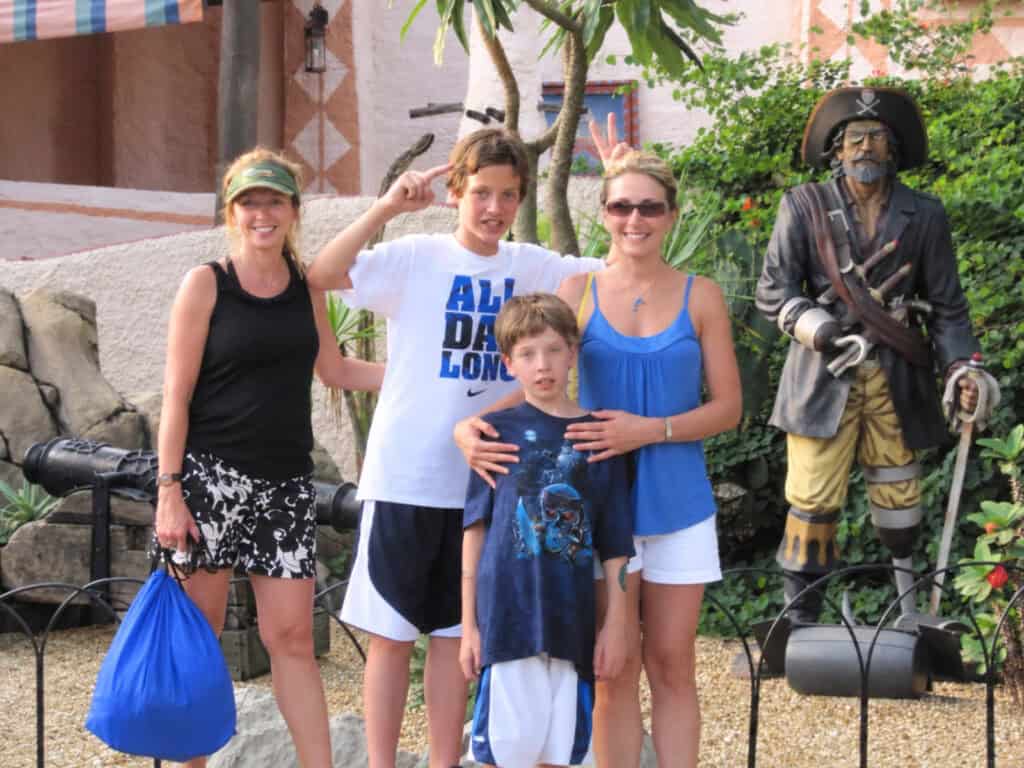
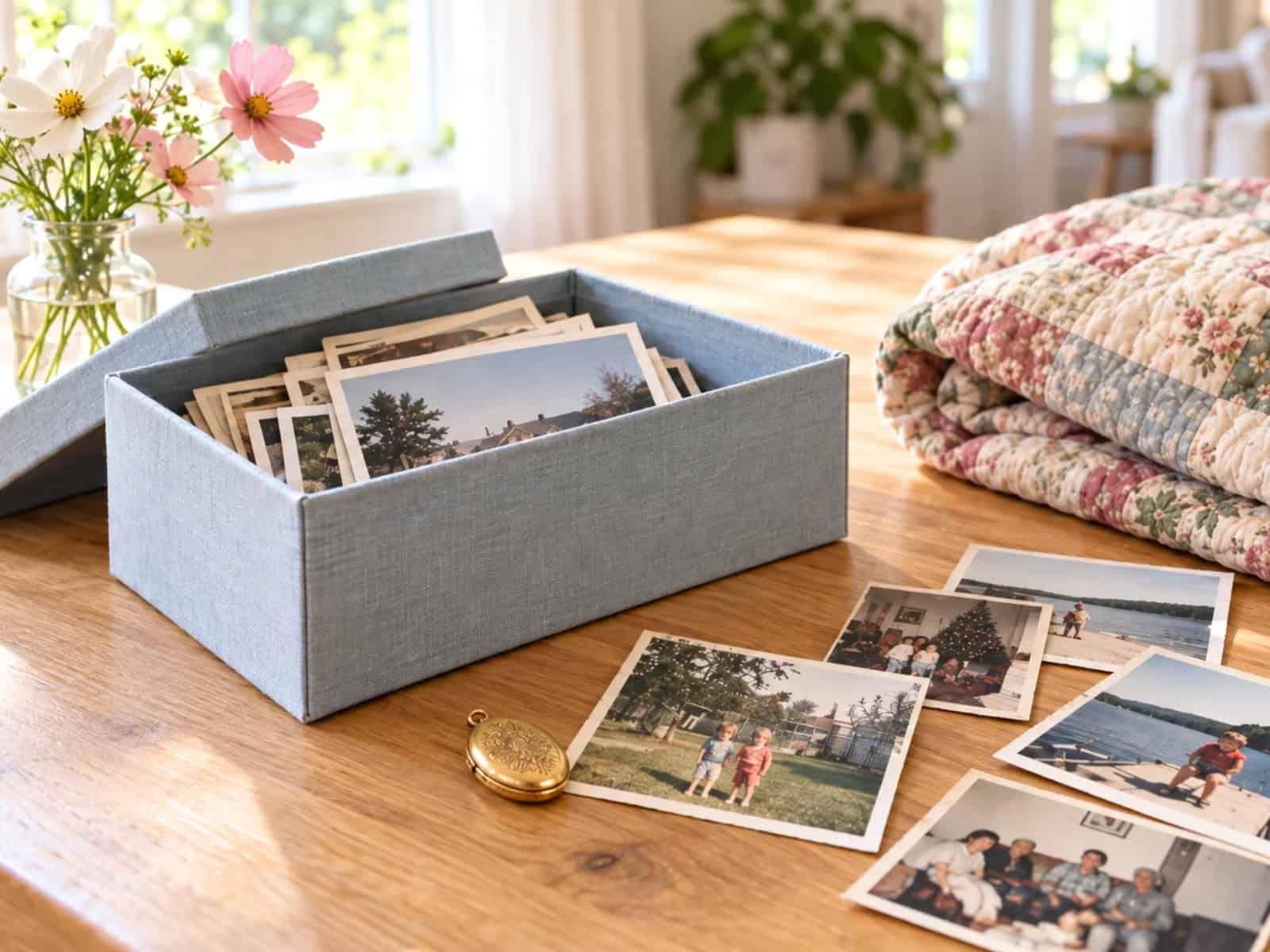
What I like about the Disney photo is that it shows me wearing the gifts on the trip. The necklace and purse are part of the moment I wanted to remember.
Before photographing a keepsake you’re ready to release, look for a picture of it being enjoyed: a child holding the toy, someone wearing the hat, a birthday cake on the plate. You may already have an image that captures why you kept it.
Give that picture a place where you’ll see it, whether that’s a frame, an album, or a digital display. Add names and a few details while you remember them. If your pictures need sorting first, my guide to organizing photos can help.
A photograph won’t replace everything. If the pleasure is in holding a letter or wrapping yourself in a familiar blanket, the object itself matters. Keep that in mind before deciding a digital copy will do.
An App for the Stories Behind Your Keepsakes
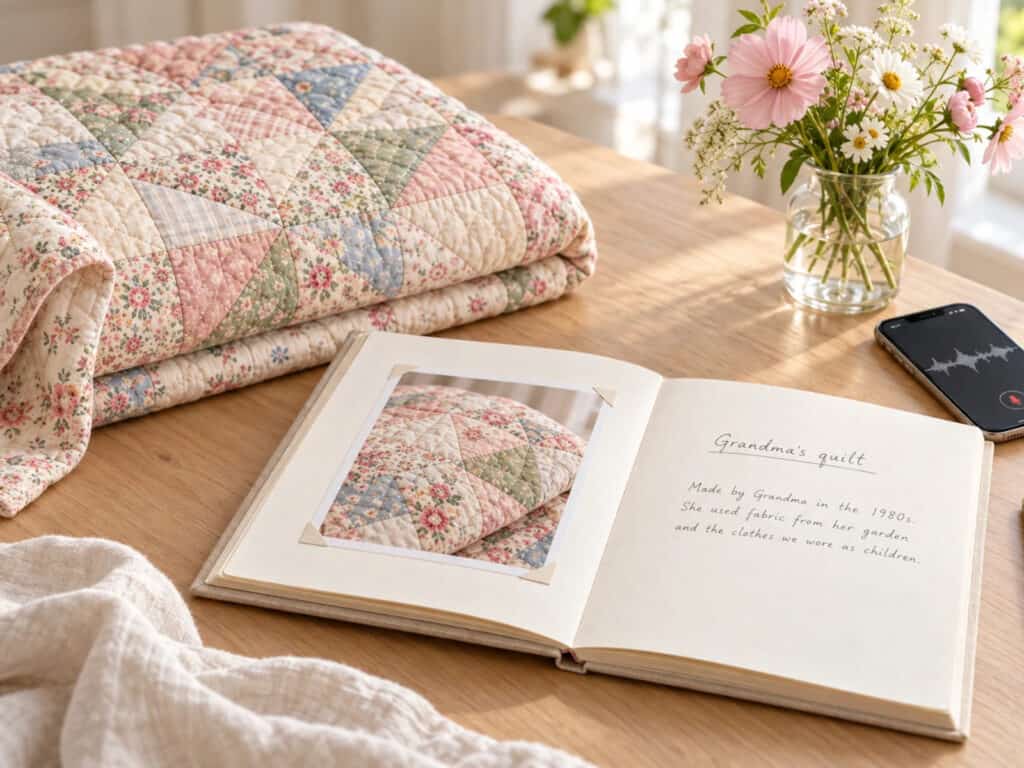
A photograph can show a quilt’s pattern, but it won’t explain who made it or how it came into the family. Those details are worth recording while someone still remembers them.
One option for keeping those details together is Artifcts, a website and app built around objects and their stories. According to its website, you can combine photos with written memories, audio, or video. Entries are private by default, with options to share them with family or friends.
As of October 2026, its free plan holds up to five entries, and paid collections start at $45 a year. That makes the free version a way to try a few keepsakes before deciding whether you want a larger collection.
This could be useful for a family collection whose stories are scattered among relatives. A recipe card, for example, could sit alongside a recording explaining the handwritten substitutions. The next person would have both the recipe and the explanation.
You can also use a notebook, an album, or a photo and a voice recording saved together. Choose something you’ll actually return to.
Making Room for the Keepsakes You Want to Keep
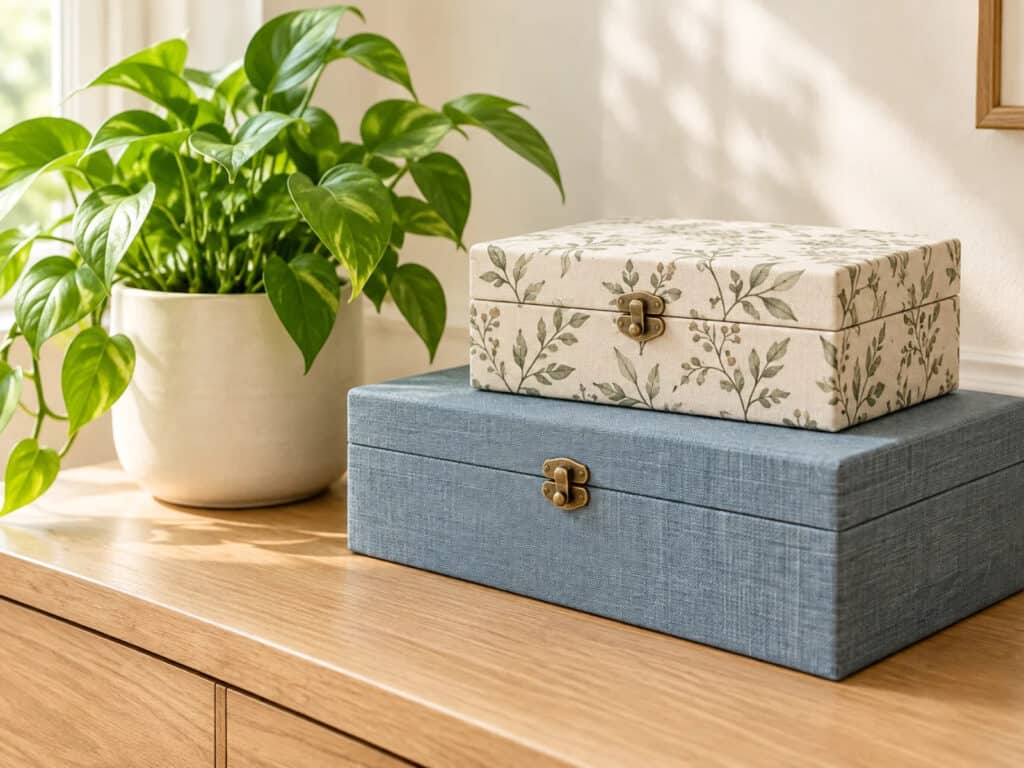
After deciding what to let go of, give a little attention to what’s staying. Is there a piece you’d enjoy seeing every day? A family dish you could use? A letter you’d like to be able to find without searching through everything else?
A memory box works well for things you prefer to keep tucked away. Include a note with names, dates, and why an item matters. Those details can help someone else understand why you saved it.
If a decision is still unfinished, consider what would help you make it. Perhaps you want to ask a relative about an object’s history or offer it to someone before donating it. Make that your next step. If you’re simply not ready, you can keep it and return to the decision later.
Letting Go Without Losing the Connection
My quilts went to my sister. The necklace and purse went into a donation bag, and I chose photos from the trip to display. Each decision gave me a little more room while keeping something meaningful in my life.
Your choices may be different. You might keep the letter, pass along the furniture, and finally put a favorite photograph in a frame. The aim is to make room for the belongings and memories you want to enjoy.
That bright yellow purse still makes an appearance in my home. These days, it’s in a picture.