

Decluttering for Tired People: A Realistic Low-Energy Guide to Getting Your Home Back

Some seasons of life are simply exhausting.
You’re working, parenting, caregiving, healing, grieving, juggling schedules, or carrying the mental load of everyday life. By the time you finally look around your home, the clutter feels louder than your own thoughts.
And most decluttering advice? It assumes you have spare time, endless motivation, and a free Saturday. Many people don’t.
If you’re tired, the answer isn’t to push harder. It’s using a gentler strategy that works with your real life. This guide is for anyone who wants a calmer home, but doesn’t have the energy for dramatic cleanouts, marathon organizing sessions, or perfection.
You do not need to overhaul everything. You need a realistic path forward.
Why Tired People Struggle With Clutter
Clutter is not just stuff. It is also an unfinished decision. Every pile asks something from you:
- Keep or donate?
- Where does this belong?
- Do I need this?
- Why haven’t I handled it?
- When will I deal with it?
When you’re already tired, even tiny decisions feel heavy.
That’s why clutter often grows during exhausting seasons. It isn’t laziness. It’s decision fatigue, low bandwidth, limited time, and depleted energy.
The solution is not guilt. The solution is reducing friction.

The Real Goal Is Not a Perfect House
When you’re tired, stop asking, “How do I declutter my whole house?“ Instead, ask: “How do I make home feel easier this week?” That shift matters.
You likely don’t need perfection. You need:
- easier mornings
- cleaner counters
- fewer piles
- less visual stress
- simpler routines
- less stuff to manage
- more breathing room
Decluttering for tired people is about creating relief.
The Low-Energy Decluttering Framework
Instead of one giant project, use these four principles.
1. Shrink the Size of the Task
Do not declutter the garage. Declutter one shelf. Do not organize the bedroom. Reset one nightstand. Smaller tasks reduce resistance and make starting easier.
2. Focus on Friction First
Choose the clutter causing repeated stress. Examples:
- shoes blocking the door
- overflowing mail pile
- packed kitchen counter
- laundry chair mountain
- bathroom products everywhere
Fix what annoys you most first.
3. Lower the Decision Load
Use only three categories:
- Keep
- Donate
- Trash
Simple decisions preserve mental energy.
4. Repeat Tiny Wins Often
Ten minutes daily beats five exhausting hours once a month. Consistency creates lighter homes.

What to Declutter First When You’re Exhausted
Start where effort is low and payoff is high.
Best Places to Begin:
Kitchen Counters
Visible impact fast.
Entryway
Less stress walking in the door.
Bathroom Counter
Quick win that improves mornings.
Purse or Work Bag
Removes hidden daily stress.
One Junk Drawer
Contained and finishable.
Expired Products
Easy yes/no decisions.
Your 10-Minute Tired Person Routine
If energy is low, use this simple reset. Set a timer for 10 minutes and choose one:
- Throw away trash
- Gather dishes
- Clear one surface
- Return misplaced items
- Fill one donation bag
- Sort one drawer
- Reset the coffee table
Then stop. You are building momentum, not proving worth.
When You’re Too Tired to Declutter at All
Some days, even ten minutes feels like too much. Use the 1% method.
Choose one:
- Throw away five things
- Wash five dishes
- Clear one chair
- Put away shoes
- Wipe one counter
- Remove one item from each room
- Take one donation bag to the car
Small actions count, especially during hard seasons.
Stop Waiting for the Perfect Weekend
Many people delay progress because they think decluttering requires a giant free block of time. It doesn’t. Try a weekend-free rhythm instead:
Monday
10-minute kitchen reset
Tuesday
Clear one hotspot
Wednesday
Donation bag scan
Thursday
Laundry pickup
Friday
Paper pile reset
Saturday
Optional extra 15 minutes
Sunday
Rest or maintain only
Small regular sessions work better than rare burnout sessions.
How to Keep Clutter From Coming Back
Decluttering helps, but systems keep progress.
Use One-Step Homes
Store things where they naturally land. Examples:
- Hooks by the door
- Hamper where clothes drop
- Basket for incoming papers
- Tray for keys
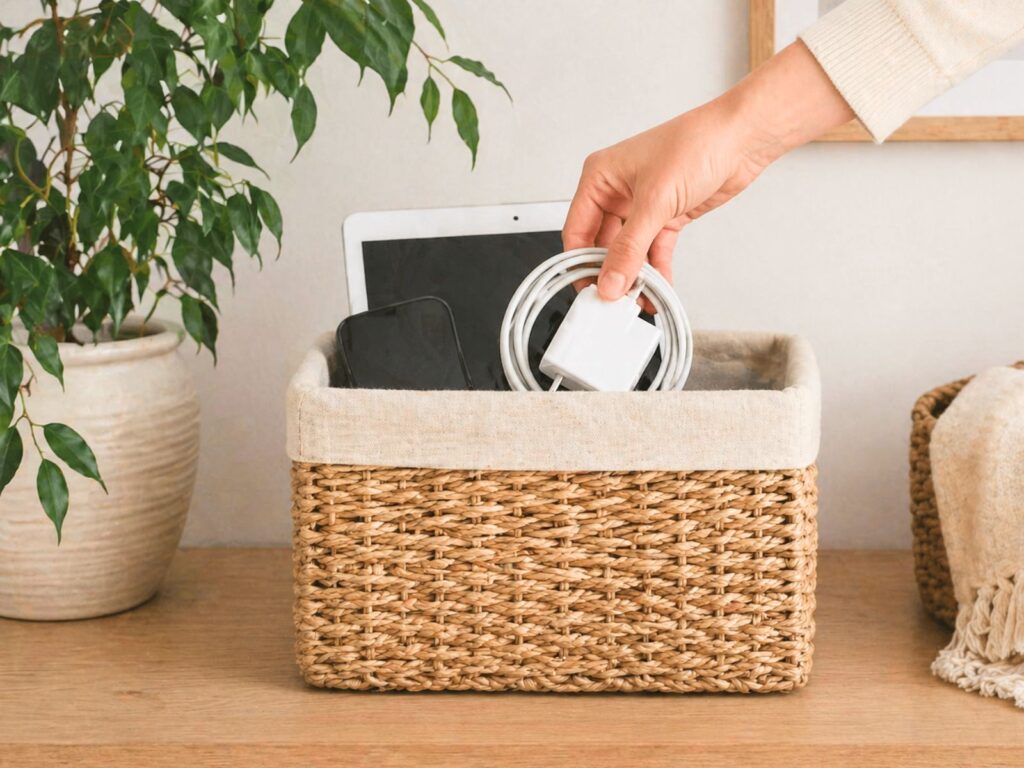
- Bin for chargers
Reduce Incoming Stuff
Pause impulse purchases. Unsubscribe from tempting store emails. Question duplicates.
Keep a Donation Bag Ready
Let decluttering happen in motion, not only during big sessions.
If You Live With Other People
Shared homes create shared clutter. Focus first on what you can control:
- Common drop zones
- Simpler family systems
- Fewer items on shared surfaces
- Routines everyone can follow
- Visible baskets and bins
Progress does not require perfect cooperation.
If You Feel Guilty About the Mess
Many tired people carry two burdens:
- The clutter
- Shame about the clutter
Release the second burden. Homes get messy during busy seasons. Stressful chapters happen. Energy changes. Needing a reset is normal. You are not failing. You are adjusting.
Read These Next
- 27 Simple Decluttering Tips When You’re Too Overwhelmed to Start
- Tiny Daily Habits That Keep a Home Tidy
Start Here Today
Choose just one:
- Clear one counter
- Fill one donation bag
- Toss obvious trash
- Reset your entryway
- Declutter one drawer
- Make one calm surface
Then stop. That is enough for today. Because tired people do not need harder advice. They need kinder systems that actually work.
Feeling overwhelmed and low on energy? Save this guide and come back anytime you need a realistic reset.
Then start with one 10-minute task today. Your home does not need perfection. It needs progress.