
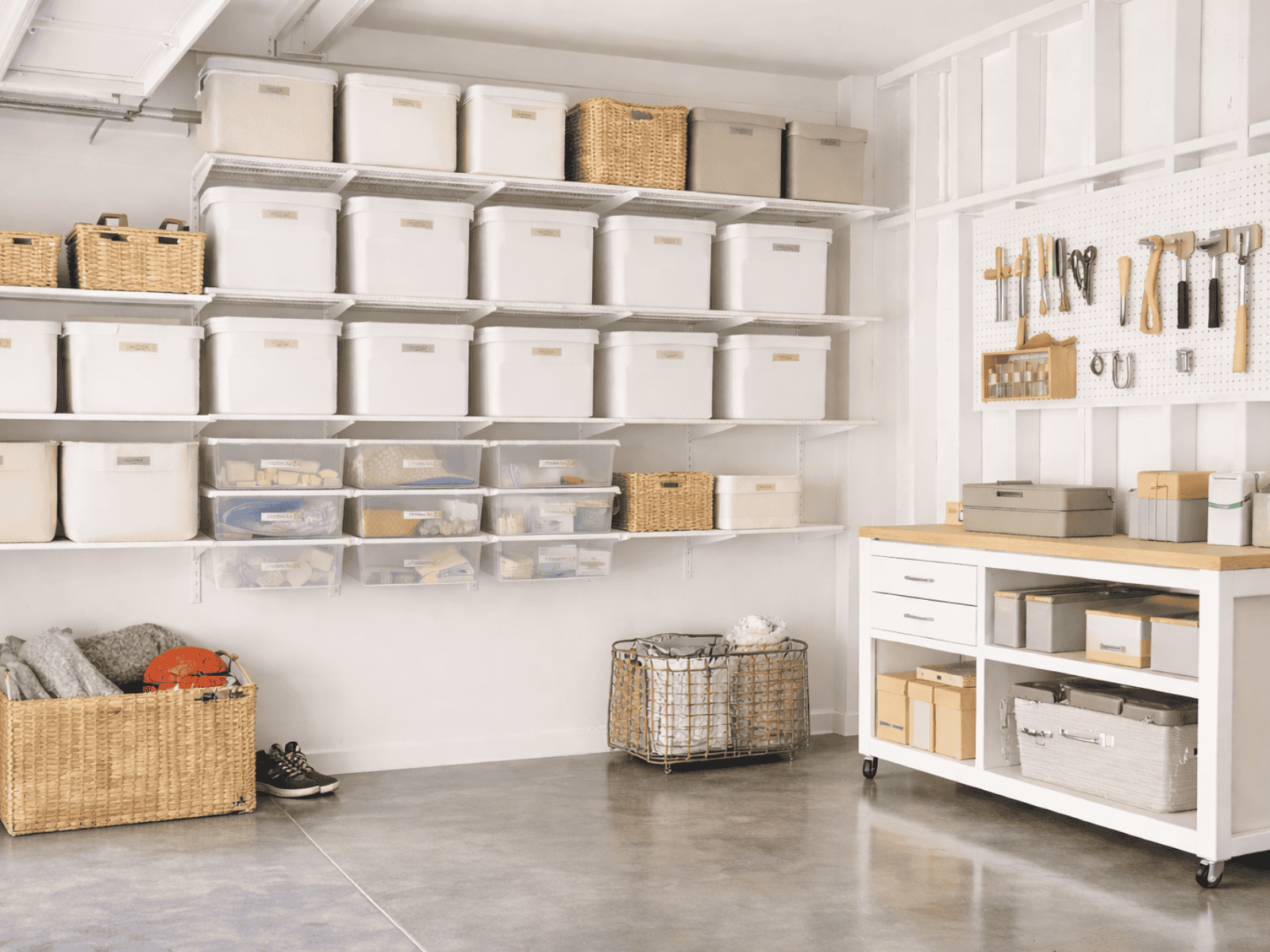
How to Create a Clutter-Free Garage: 7 Organization Tips

Picture this: you pull into your driveway… and still can’t park in your garage. Not because the space is too small — but because it’s packed with boxes, old sports equipment, and items you haven’t touched in years.
If that sounds familiar, you’re not alone. For many homes, the garage slowly becomes the household dumping ground — a place where clutter collects and frustration builds every time you walk through it.
And when clutter starts piling up in the garage, it’s usually a sign that it’s happening elsewhere, too. That’s why starting with a simple decluttering approach that reduces overwhelm before you organize can make the entire process feel more manageable.
I’ve helped families turn chaotic garages into functional, easy-to-maintain spaces — and the truth is, you don’t need custom cabinets or an expensive system to make real progress. You need a clear plan, realistic storage solutions, and systems that actually work for everyday life.
Let’s walk through exactly how to create a clutter-free garage that stays that way.
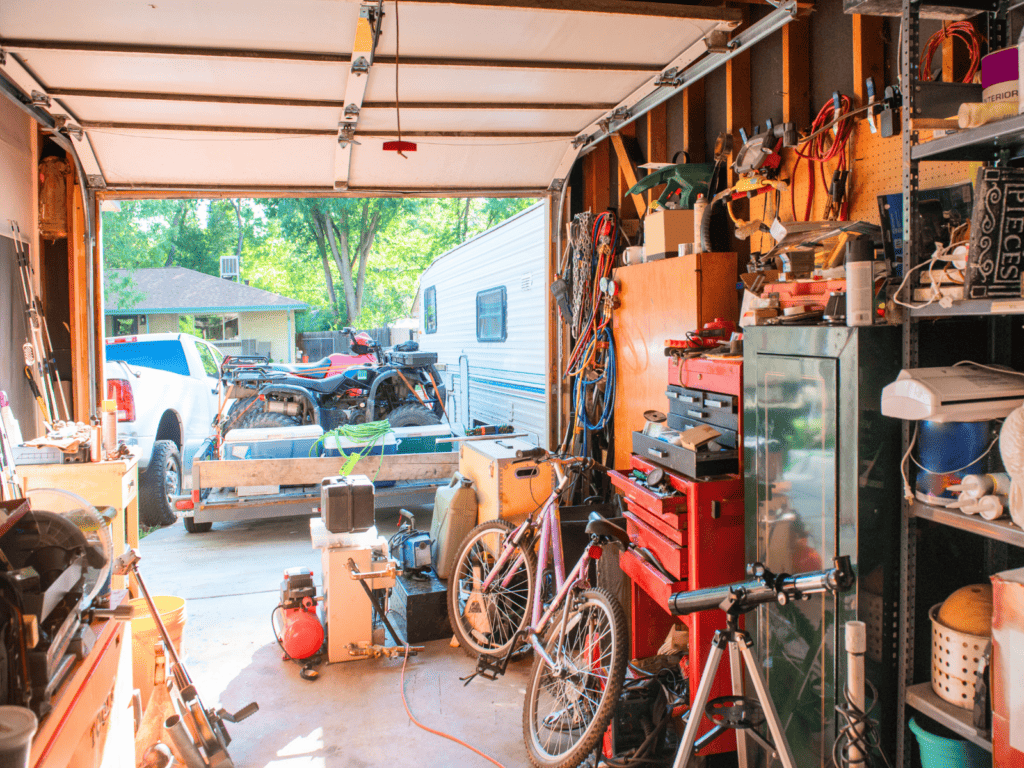
1. Assess Your Current Garage Situation
Before you start dragging everything into the driveway, take a step back. The most successful garage organization projects start with clarity — not effort.
Take Inventory
Walk through your garage and group items into broad categories:
- Automotive supplies
- Lawn and garden tools
- Sports and recreation equipment
- Tools and home repair items
- Holiday decorations
- Household overflow
- Mystery items (we all have them)
As you go, make note of anything you haven’t used in the past year. Those items deserve a closer look later.
Pro tip: Take photos of your garage from a few angles. They’ll help you spot problem areas and make your progress obvious when you’re done.
Measure Your Space (Know Your Battlefield)
Knowing your available space prevents wasted money and poorly planned storage.
Take note of:
- Garage length, width, and ceiling height
- Door clearance (especially when the door is open)
- Stud spacing (typically 16 or 24 inches)
- Permanent fixtures like outlets, panels, or water heaters
Also, pay attention to sunlight and heat exposure to avoid storing temperature-sensitive items in problem areas.
Bottom line: Understanding both what you have and the space you’re working with makes every next step easier.

2. The Great Purge: Decluttering Your Garage
Organization only works when you’re not storing things you don’t need. Choose a day with decent weather and set up four clear zones outside your garage.
Zone 1: Keep
Items you use regularly or seasonally and are in good condition.
Zone 2: Donate or Sell
Extra tools, outgrown sports gear, or items you’ve upgraded from.
Zone 3: Trash or Recycle
Broken items, rusted tools, expired chemicals (check local disposal rules).
Zone 4: Relocate
Items that don’t belong in the garage — papers, food, photos, or household items that should live indoors.
Helpful boundary: Limit holiday décor to one clearly labeled bin per holiday. This keeps seasonal items from taking over your space. Every item you remove now is one less thing you’ll have to organize later.

3. Design Your Ideal Garage Layout
A clutter-free garage isn’t about cramming everything in — it’s about creating zones that make sense.
Create Functional Zones
Easy-Access Zone
Everyday tools, recycling, pet supplies, and frequently used items.
Parking Zone
Leave enough clearance around your vehicle. Floor tape or a hanging tennis ball can help guide parking.
Workshop Zone (if needed)
Near natural light, away from the vehicle to limit dust.
Seasonal Storage Zone
Higher shelves or overhead racks for items used only a few times a year.
Safety reminder: Never block electrical panels or store chemicals near heat sources.

4. Organizing by Category
When every category has a home, maintaining order becomes much easier.
Tools and Workshop Items
- Group similar tools together
- Store frequently used tools at eye level
- Use clear, labeled bins for small parts
- Keep batteries and chargers in one place
Sports and Recreation Equipment
- Store current-season gear where it’s easy to reach
- Hang bikes vertically or use ceiling systems
- Use bins or mesh bags for helmets and pads
Seasonal Items
If holiday décor tends to take over your garage, this step-by-step guide to organizing seasonal and holiday items can help.
Automotive Supplies
- Group items by task (cleaning, maintenance, detailing)
- Store liquids in spill-proof containers
- Keep related items together so nothing gets scattered
Once your garage is organized, keeping your vehicle clutter-free becomes much easier — especially with the right systems.
You might also like: 30 Must-Have Amazon Car Finds for a Perfectly Organized Vehicle
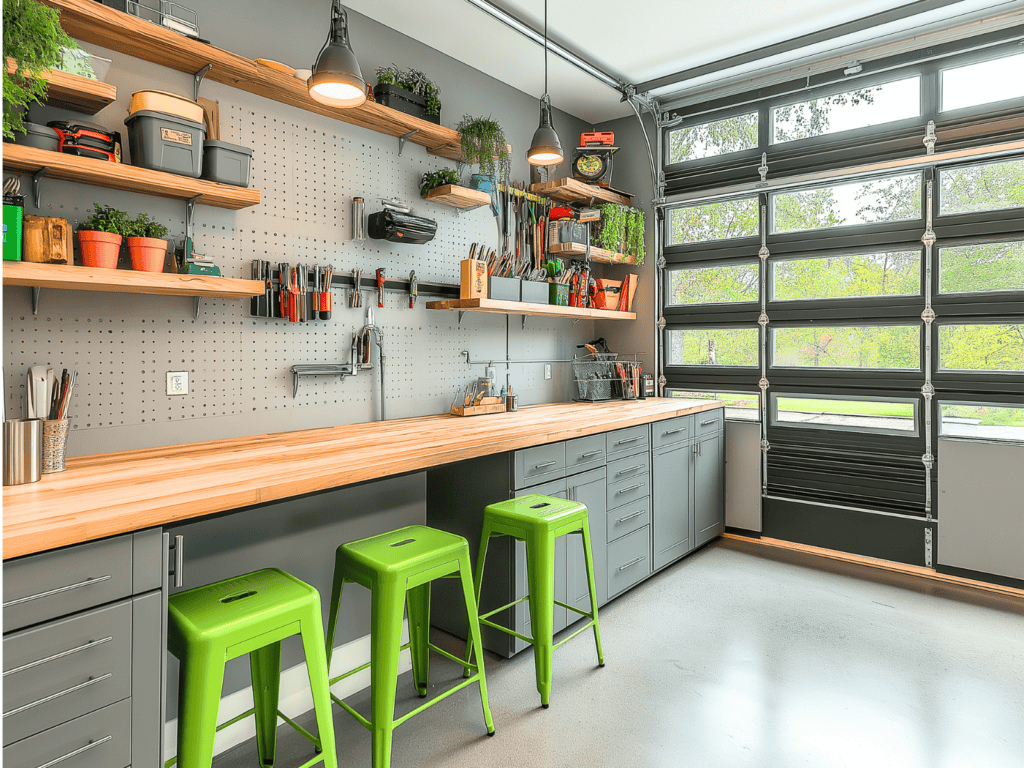
5. Implementation Strategy
This is where many garage projects stall, not because the plan is bad, but because it feels overwhelming. The key is breaking the process into clear, manageable steps and focusing on progress, not perfection.
Quick Start Shopping List
If you’re starting from scratch, these basics will get you about 80% of the way there:
- Adjustable shelving or wire racks
- Heavy-duty wall hooks
- Clear storage bins with lids
- Simple labels or a label maker
- Pegboard starter kit
You can always add upgrades later. Starting with these essentials keeps the process simple and affordable.
Start With One Wall
Choose a single wall or zone to work on first:
- The wall closest to the house entrance
- The wall with the most floor clutter
- The wall where items tend to pile up
Finish one area completely before moving on.
Install Storage Before Putting Items Back
Avoid reorganizing items onto the floor or temporary surfaces.
Before anything goes back:
- Install shelves, hooks, or pegboards
- Decide what belongs where
- Label storage areas first
This prevents organizing the same items twice.
Prioritize by Frequency of Use
- Daily or weekly items → eye or waist level
- Seasonal items → higher shelves or overhead
- Rarely used items → least accessible areas
- If you have to move several items to reach one item, its storage location needs to be adjusted.
Build in Flexibility
Choose adjustable shelving, moveable hooks, and stackable bins so your system can evolve as your needs change.

6. Maintenance Plan
An organized garage stays organized through small, consistent habits—not constant effort.
Rules That Actually Keep a Garage Organized
Everything needs a home
If an item doesn’t have a clear storage spot, it becomes clutter.
Don’t set things down — put them away
Temporary piles are where organization falls apart.
One in, one out (by category)
New sports gear replaces old gear. New tool replaces an unused one.
Revisit one zone per month
Quick check-ins prevent full cleanouts later.
Store items where you use them
If you constantly relocate items during tasks, the storage location is wrong.
Create a Simple Rhythm
Instead of relying on motivation, build a routine:
- Weekly 10-minute garage reset
- Monthly zone check
- Seasonal swap-out
Consistency beats motivation every time.

7. Troubleshooting Common Challenges
Limited Space
- Use vertical and ceiling storage
- Choose folding or mobile workbenches
- Create multi-purpose zones
Moisture, Temperature, and Pests
- Keep items off the floor
- Use sealed bins instead of cardboard
- Add weather stripping if needed
Family Buy-In: Making It Stick
Give Everyone a Zone
Assign responsibility — not just rules. Ownership increases follow-through.
Use Visual Cues
Labels, photos, and floor markings reduce decision fatigue.
Make Resetting Easy
If it takes more than 10–15 minutes to reset the garage, simplify the system.
Create a Rhythm
Short weekly resets and seasonal check-ins work better than occasional overhauls.
Conclusion: Your Path to a Clutter-Free Garage
The hardest part of organizing your garage isn’t installing shelves or buying bins — it’s starting.
If you want more realistic, room-by-room decluttering strategies, you’ll find plenty of ideas in my complete home decluttering guide.
Start with one corner, one wall, or one category. Every item you put where it belongs is progress toward a garage that actually supports your life.
Your future self — the one parking inside a calm, functional garage — will be glad you did.
Optional Planning Tools (Use Only If Helpful)
You don’t need special tools to organize your garage, but a few simple apps can make planning easier — especially if you like visualizing your space before buying storage.
Helpful Apps:
- MagicPlan – Create a quick floor plan and save measurements
- Photo Measures – Take photos of your garage and label dimensions directly on the image
Online Planner (Optional):
- Rubbermaid FastTrack Garage Planner – Helpful for visualizing wall storage layouts
Pro Tip:
Before buying anything, take photos and measurements of your garage and keep them on your phone. You’ll be surprised how often you reference them while shopping or comparing storage options.
Remember: start with the basics and add upgrades as needed. It’s better to create a functional system now than to wait for the “perfect” setup later.